
Resources
Thoughtful guidance on sustainable wellness, nervous system regulation, fitness, recovery, and habit change.

Why Rest Is Productive
Your body doesn't improve during the workout. It improves during the recovery that follows.
We live in a culture that treats rest as something you earn — a reward for working hard enough, doing enough, being productive enough.
From a physiological perspective, rest plays a far more important role in health and performance than many people realize. Rest isn't the absence of productivity. Rest is an essential part of how the body recovers, adapts, and restores itself.
Understanding why rest matters — and how to make it restorative — can change your relationship with recovery entirely.
What Happens in the Body During Rest
When the body experiences intentional rest and reduced stimulation, parasympathetic activity tends to increase, supporting recovery and restoration. This is where a remarkable amount of essential work takes place:
Muscle tissue is repaired and rebuilt (this is when strength training results actually manifest)
Growth hormone is released, primarily during deep sleep
The lymphatic system processes cellular waste and supports immune function
The nervous system has more opportunity to recover and adapt after periods of stress
Memory consolidation and emotional processing occur during sleep
What Happens When Recovery Is Consistently Limited
When rest is chronically skipped or when it never feels truly restoring, these processes are interrupted. The physical and cognitive costs accumulate faster than most people realize:
Strength and fitness gains plateau or reverse
Inflammation increases, raising injury risk
Chronic stress and insufficient recovery can affect mood, energy levels, sleep, and overall wellbeing
Cognitive function, emotional regulation, and decision-making all decline
Motivation and enjoyment of movement decreases
The Difference Between Rest and Passive Inactivity
Not all rest is equally restorative. Constant stimulation — including prolonged screen use — may make it more difficult for some people to feel mentally settled or fully rested.
Genuinely restorative rest might include:
Deliberate breathwork or meditation
Restorative yoga or gentle stretching
Time in nature without devices
Sound baths or other sensory-calming practices
Simply sitting quietly — without constant stimulation or multitasking
Sleep, prioritized and protected
How to Reframe Rest in Your Wellness Practice
Rest can be approached as an intentional and valuable part of a sustainable wellness practice.
Building structured rest into your routine — treating it with the same intention as a workout — is one of the most impactful things you can do for your long-term health.
Training challenges the body. Recovery is where the body adapts and grows stronger.
If you’re looking for a more sustainable and supportive approach to wellness, Wellness with Nixa offers personal training, nervous system regulation sessions, and wellness coaching designed to support long-term wellbeing. Learn more about these services or book a Complimentary Clarity Call.
———
Research & Further Reading
Research continues to highlight the importance of recovery, sleep, stress regulation, and restorative practices for both physical and mental wellbeing. Studies suggest that adequate rest supports exercise adaptation, cognitive function, emotional regulation, immune health, and long-term resilience.
If you'd like to explore the research further, these studies and resources provide additional context:
Fullagar, H. H. K., et al. Sleep and Athletic Performance: The Effects of Sleep Loss on Exercise Performance, and Physiological and Cognitive Responses to Exercise
Reviews how sleep and recovery influence physical performance, cognitive function, and exercise adaptation.McEwen, B. S. Protective and Damaging Effects of Stress Mediators
Explores how chronic stress and insufficient recovery affect the brain, nervous system, and long-term health.Pascoe, M. C., et al. Psychobiological Effects of Yoga: A Review of Randomized Controlled Trials
Examines how restorative practices such as yoga may support stress reduction and emotional wellbeing.Walker, M. Why We Sleep: Unlocking the Power of Sleep and Dreams
Provides an accessible overview of how sleep supports recovery, learning, emotional regulation, and overall health.

The Missing Piece in Most Wellness Routines
A program that addresses the physical body without accounting for the nervous system is like renovating a house while ignoring the foundation.
Many wellness routines are centered around doing more. More cardio. More supplements. More meal planning. More tracking.
And yet, many people still feel stuck — not because they aren't trying hard enough, but because something fundamental is missing.
The commonly overlooked piece is attention to the nervous system and recovery.
Why Most Programs Focus Only on the Physical
Fitness and wellness industries are largely built around measurable outputs — pounds lost, reps completed, calories burned. These metrics are easy to track and market.
What’s harder to quantify — and therefore often overlooked — is how the body feels, how stress is being processed, how much physical tension someone is carrying, and how well they’re actually recovering.
A program that addresses the physical body without accounting for the nervous system is like renovating a house while ignoring the foundation.
What Gets Left Behind When We Only Train the Body
When wellness is approached purely as a physical project, several things tend to get overlooked:
Chronic tension patterns held in muscles and connective tissue
Breath patterns that keep the body in a low-grade stress state
The way stress and past experiences can continue to influence physical tension, emotional wellbeing, and stress responses
The gap between how you look on paper and how you actually feel
Recovery — true recovery, not just rest days
What a Complete Wellness Approach Includes
A more complete approach to wellness integrates multiple layers of care:
Movement that builds strength and improves mobility
Practices that actively regulate the nervous system — breathwork, somatic movement, yoga
Recovery practices that support both physical and mental restoration
Awareness of stress patterns and how they manifest in the body
A sustainable rhythm rather than an all-or-nothing cycle
How to Begin Filling the Gap
You don't need to overhaul your entire routine. Adding even one nervous-system-aware practice — five minutes of breathwork, a short somatic stretch sequence, a few moments of intentional stillness — can begin to shift how your body feels day to day.
Over time, the cumulative effect of these practices is significant. The body becomes more resilient, more responsive, and more capable of doing the physical work you're asking of it.
True wellness comes from creating the internal conditions that allow your body to thrive.
If you’re looking for a more sustainable and supportive approach to wellness, Wellness with Nixa offers personal training, nervous system regulation sessions, and wellness coaching designed to support long-term wellbeing. Learn more about these services or book a Complimentary Clarity Call.
———
Research & Further Reading
Research continues to explore the relationship between stress, recovery, movement, nervous system function, and overall wellbeing. Studies suggest that supportive practices such as movement, breathwork, mindfulness, and restorative recovery may positively influence both physical and emotional health over time.
If you'd like to explore the research further, these studies and resources provide additional context:
McEwen, B. S. Protective and Damaging Effects of Stress Mediators
Explores how chronic stress affects the body, brain, recovery, and long-term health.Porges, S. W. The Polyvagal Theory: Neurophysiological Foundations of Emotions, Attachment, Communication, and Self-Regulation
Foundational work examining autonomic nervous system states, safety, stress responses, and regulation.
Streeter, C. C., et al. Effects of Yoga on the Autonomic Nervous System, Gamma-Aminobutyric-Acid, and Allostasis in Epilepsy, Depression, and Post-Traumatic Stress Disorder
Reviews how yoga practices may support nervous system regulation, stress reduction, and emotional wellbeing.Pascoe, M. C., et al. Psychobiological Effects of Yoga: A Review of Randomized Controlled Trials
Examines the effects of yoga and mind-body practices on stress, mood, and physiological wellbeing.

How Stress Impacts Your Fitness Goals
It's not a lack of discipline. It's neurobiology.
You’re eating well, working out regularly, and trying to take care of yourself — but something still feels off. You're not recovering the way you expect. You're not seeing the results you're working toward.
One factor that can significantly influence fitness, recovery, and wellbeing is chronic stress.
Understanding how stress interacts with your body can explain why effort alone isn't always enough — and what to do about it.
Why Stress Affects the Body
When you experience stress — whether from work, relationships, finances, or even an intense workout — your body activates the hypothalamic-pituitary-adrenal (HPA) axis, triggering the release of cortisol.
Cortisol is a necessary and useful hormone. In short bursts, it helps you respond to challenge and stay focused. Challenges can arise when stress becomes chronic and the body's stress-response systems remain activated for prolonged periods of time.
Chronic stress can influence hormone regulation, recovery, energy levels, and overall wellbeing
Chronic stress may influence appetite, metabolism, and body composition over time
Prolonged stress can affect immune function and recovery capacity over time
It interferes with sleep quality, which in turn affects every other system
How Cortisol Impacts Recovery
Exercise is itself a stressor — a beneficial one. But the body needs recovery time to adapt to that stress and grow stronger.
When the body is already under significant physical or emotional stress, recovery from exercise can become more difficult. This can result in:
Prolonged muscle soreness
Increased risk of injury
Slower strength and endurance gains
Workouts that leave you feeling drained instead of energized
Why Motivation Disappears Under Chronic Stress
Chronic stress also affects brain chemistry. The prefrontal cortex — responsible for planning, motivation, and decision-making — becomes less active under prolonged stress, while the amygdala (your threat-response center) becomes more reactive.
This is why, when life feels overwhelming, the motivation to exercise or make healthy choices can evaporate almost entirely — even if you know intellectually that movement would help.
Under chronic stress, motivation and decision-making can become significantly harder to access consistently.
What Sustainable Fitness Actually Looks Like
Sustainable fitness recognizes stress as meaningful information that can influence recovery, energy, and training capacity from day to day.
Some practical principles:
Match workout intensity to your current stress and recovery levels, as well as your schedule
Include nervous system regulation practices alongside physical training
Prioritize sleep — it's when growth hormone is released and tissue is repaired
Build in lower-intensity movement on high-stress days: a walk, gentle yoga, or stretching
Work with a practitioner who sees your whole picture — your workout log included
If you’re looking for a more sustainable and supportive approach to wellness, Wellness with Nixa offers personal training, nervous system regulation sessions, and wellness coaching designed to support long-term wellbeing. Learn more about these services or book a Complimentary Clarity Call.
———
Research & Further Reading
Research continues to explore how chronic stress influences recovery, sleep, motivation, hormone regulation, and physical performance. Studies suggest that long-term activation of the body’s stress-response systems can affect both mental and physical wellbeing, particularly when recovery and restorative practices are limited.
If you'd like to explore the research further, these studies and resources provide additional context:
McEwen, B. S. Protective and Damaging Effects of Stress Mediators
Explores how chronic stress affects the brain, nervous system, recovery, and overall health over time.Sapolsky, R. M. Why Zebras Don't Get Ulcers
Provides an accessible overview of stress physiology and the long-term effects of chronic stress on the body.Rebar, A. L., et al. A Meta-Meta-Analysis of the Effect of Physical Activity on Depression and Anxiety in Non-Clinical Adult Populations
Reviews how movement and exercise may support stress resilience, mood, and overall mental wellbeing.
https://pubmed.ncbi.nlm.nih.gov/27417393/Fullagar, H. H. K., et al. Sleep and Athletic Performance: The Effects of Sleep Loss on Exercise Performance, and Physiological and Cognitive Responses to Exercise
Examines the relationship between sleep, recovery, stress, and physical performance.
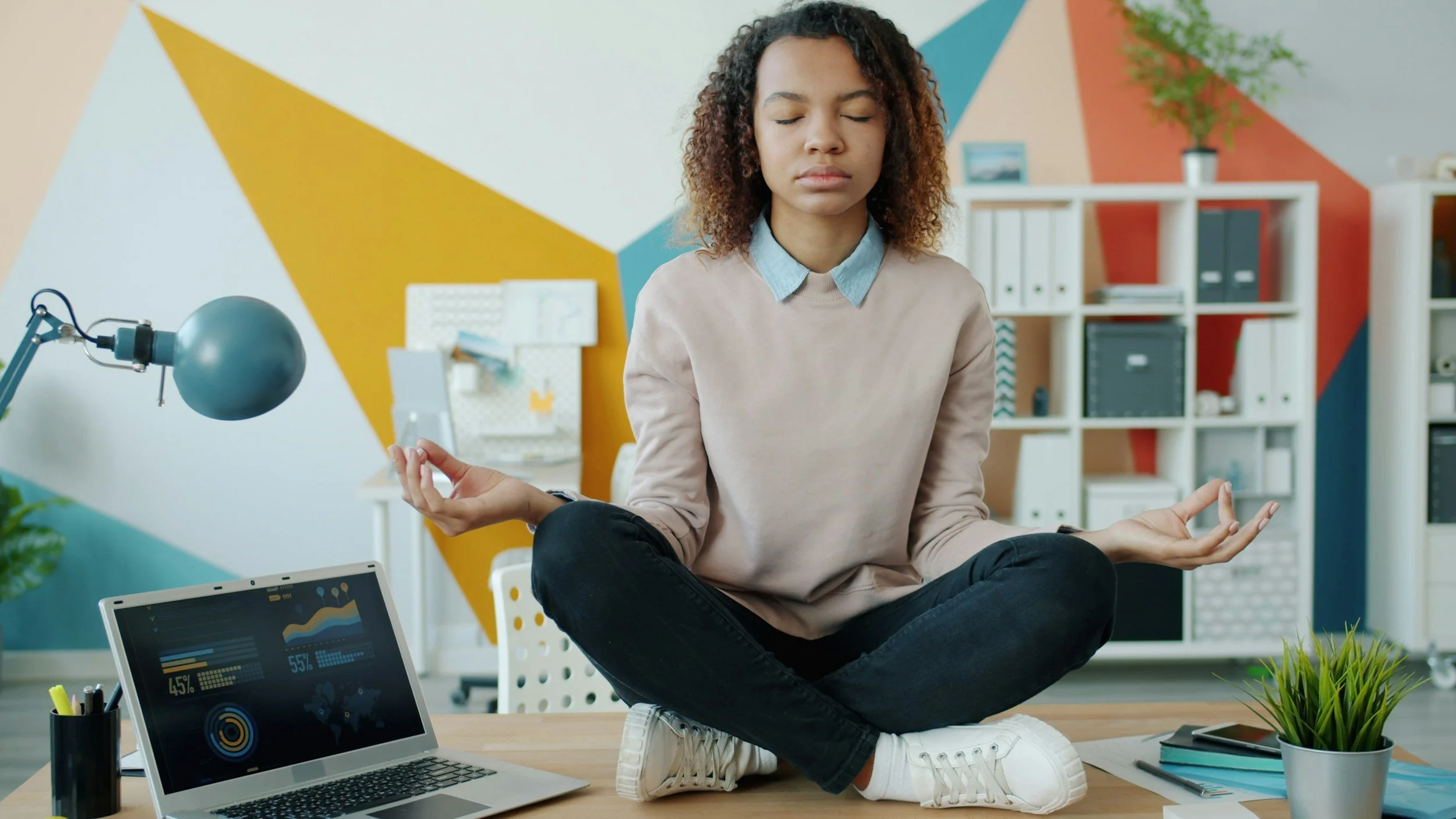
What Nervous System Regulation Actually Means
Regulation doesn't mean eliminating stress or always feeling calm. It means developing greater flexibility — the ability to move through stress responses and return to a settled state more easily.
You've probably seen the phrase 'nervous system regulation' in wellness spaces — and if you're not sure what it actually means, you're not alone.
Nervous system regulation is a real physiological process — one that shapes how you sleep, how you recover, how you respond to stress, and how you feel in your body on a daily basis.
Understanding it — even at a basic level — can change the way you approach your health.
What Is the Nervous System?
Your autonomic nervous system is responsible for regulating your body's involuntary functions — heart rate, breathing, digestion, and your stress response, among others.
It operates in two primary states:
The sympathetic nervous system — often called 'fight or flight' — activates when the body perceives threat or stress
The parasympathetic nervous system — often called 'rest and digest' — supports recovery, digestion, calm, and restoration
What Does 'Dysregulation' Mean?
Many people today spend significant amounts of time in a sympathetic (activated) state due to chronic stress, overstimulation, insufficient recovery, poor sleep, overwork, and demanding lifestyles. Over time, persistent activation without adequate recovery can leave the nervous system feeling overwhelmed and less flexible in how it responds to stress.
When the nervous system is dysregulated, it can look like:
Difficulty relaxing, even when nothing is technically wrong
Feeling wired but exhausted
Tension held in the jaw, shoulders, or hips
Sleep that doesn't feel restorative
Reactivity or emotional overwhelm that seems disproportionate
Digestive issues or unexplained physical discomfort
What Regulation Actually Involves
Regulation doesn't mean eliminating stress or always feeling calm. It means developing greater flexibility — the ability to move through stress responses and return to a settled state more easily.
Practices that support nervous system regulation include:
Breathwork — particularly slow, extended exhales that activate the vagus nerve
Somatic movement — gentle, body-aware movement that can help reduce physical tension and increase awareness of bodily sensations
Yoga — especially restorative and trauma-informed practices
Sound — calming music, vibration, and sound-based practices practices such as sound baths can shift the body's physiological state and support relaxation
Consistency in sleep, nutrition, and movement
Working with a trauma-informed practitioner who understands the body-mind connection
Why This Matters for Your Overall Health
Nervous system regulation is foundational to your fitness goals and your overall health.
When the nervous system is better supported, many people find it easier to recover consistently, sleep more deeply, manage stress, and engage more sustainably with movement and daily life.
Supporting the nervous system can influence many aspects of wellbeing, including recovery, stress resilience, sleep, movement, and overall quality of life.
If you’re looking for a more sustainable and supportive approach to wellness, Wellness with Nixa offers personal training, nervous system regulation sessions, and wellness coaching designed to support long-term wellbeing. Learn more about these services or book a Complimentary Clarity Call.
———
Research & Further Reading
Research on the nervous system continues to highlight the connection between chronic stress, recovery, movement, breath, and overall wellbeing. Studies suggest that supportive practices such as slow breathing, yoga, consistent movement, and stress regulation techniques may positively influence autonomic nervous system function, emotional resilience, and physical health.
If you'd like to explore the research further, these studies and resources provide additional context:
Porges, S. W. — The Polyvagal Theory: Neurophysiological Foundations of Emotions, Attachment, Communication, and Self-Regulation
Foundational work exploring autonomic nervous system states, safety, connection, and physiological regulation.McEwen, B. S. — Protective and Damaging Effects of Stress Mediators
Provides an evidence-based overview of how chronic stress affects the body, brain, and nervous system over time.Streeter, C. C., et al. — Effects of Yoga on the Autonomic Nervous System, Gamma-Aminobutyric-Acid, and Allostasis in Epilepsy, Depression, and Post-Traumatic Stress Disorder
Explores the relationship between yoga practices, autonomic nervous system regulation, stress reduction, and emotional wellbeing.Russo, M. A., et al. — The Physiological Effects of Slow Breathing in the Healthy Human
Reviews how slow breathing practices may influence stress physiology, autonomic regulation, and relaxation responses.