
Resources
Thoughtful guidance on sustainable wellness, nervous system regulation, fitness, recovery, and habit change.
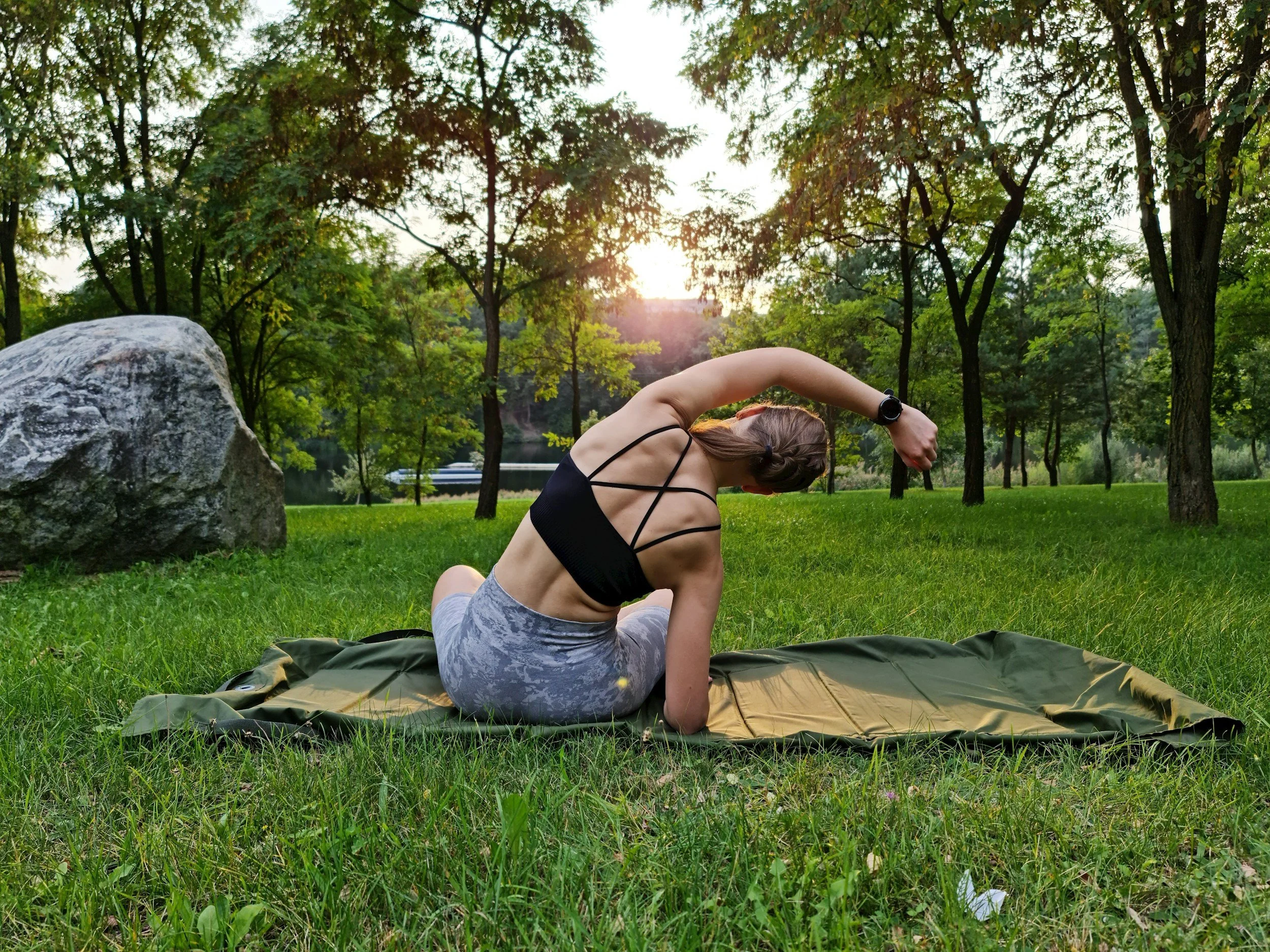
Beginner-Friendly Wellness Practices to Start Today
The goal at the beginning isn't intensity. It's consistency and familiarity with your own body.
Starting a wellness practice can feel overwhelming when you're surrounded by advice about perfect routines, optimization, and constant self-improvement. The truth is, the most effective starting point is usually the simplest one.
You don't need special equipment, a perfect schedule, or advanced knowledge to begin supporting your body and nervous system. You just need a few accessible practices and the willingness to start small.
Here are beginner-friendly practices that can meaningfully support your wellbeing — and how to ease into them without overwhelm.
Why starting small matters more than starting big
Many people abandon wellness routines because they start with something unsustainable — an hour-long workout, an elaborate morning routine, a complicated meal plan.
Small, repeatable actions are far more likely to become lasting habits than dramatic ones. The goal at the beginning isn't intensity. It’s building consistency and becoming more familiar with your own body.
Simple movement practices to begin with
Movement doesn't need to be complicated to be valuable. These beginner-friendly options build a foundation without requiring prior experience:
A 10–15 minute daily walk, ideally outdoors
Gentle bodyweight strength exercises — squats, modified push-ups, or seated movements
Beginner-level yoga or stretching sequences focused on mobility
Short, guided sessions rather than open-ended workouts, especially at the start
Nervous system practices anyone can start
These practices require no equipment and can be done almost anywhere, making them an easy entry point into nervous system support:
Slow, extended exhale breathing — four counts in, six to eight counts out
A few minutes of stillness without screens, especially before bed
Gentle self-touch or grounding techniques, like placing a hand on your chest or stomach
Stepping outside for a few minutes of natural light and fresh air
How to build momentum without overwhelm
The most sustainable approach is to choose one or two practices, not five. It’s okay to start smaller than feels meaningfu — a two-minute breathing practice counts. A ten-minute walk counts.
As these small practices become familiar, they often begin to feel more supportive and sustainable. Then, adding more becomes far more natural than trying to do everything at once.
Choose one movement practice and one nervous system practice to start
Anchor each one to an existing part of your day
Track consistency, not intensity, in the early weeks
Expect adjustment — it's normal for new practices to feel unfamiliar before they feel natural
If you’re looking for a more sustainable and supportive approach to wellness, Wellness with Nixa offers personal training, nervous system regulation sessions, and wellness coaching designed to support long-term wellbeing. Learn more about these services or book a Complimentary Clarity Call.
———
Research & Further Reading
Research continues to show that small, consistent wellness practices can support both physical and mental wellbeing over time. Movement, sleep, stress regulation, and habit formation are often most sustainable when approached gradually rather than through extreme or highly restrictive routines.
If you'd like to explore the research further, these studies and resources provide additional context:
American Psychological Association. Stress Effects on the Body
This overview explains how chronic stress affects the body and why supportive daily practices can play an important role in overall wellbeing.Lally, P., van Jaarsveld, C. H. M., Potts, H. W. W., & Wardle, J. How Are Habits Formed: Modelling Habit Formation in the Real World
This study explores how small, repeated behaviors gradually become more automatic over time, supporting the article’s emphasis on consistency over intensity.Piercy, K. L., et al. The Physical Activity Guidelines for Americans
These guidelines emphasize that even modest amounts of movement can support health and that activity does not need to be extreme to be beneficial.