
Resources
Thoughtful guidance on sustainable wellness, nervous system regulation, fitness, recovery, and habit change.
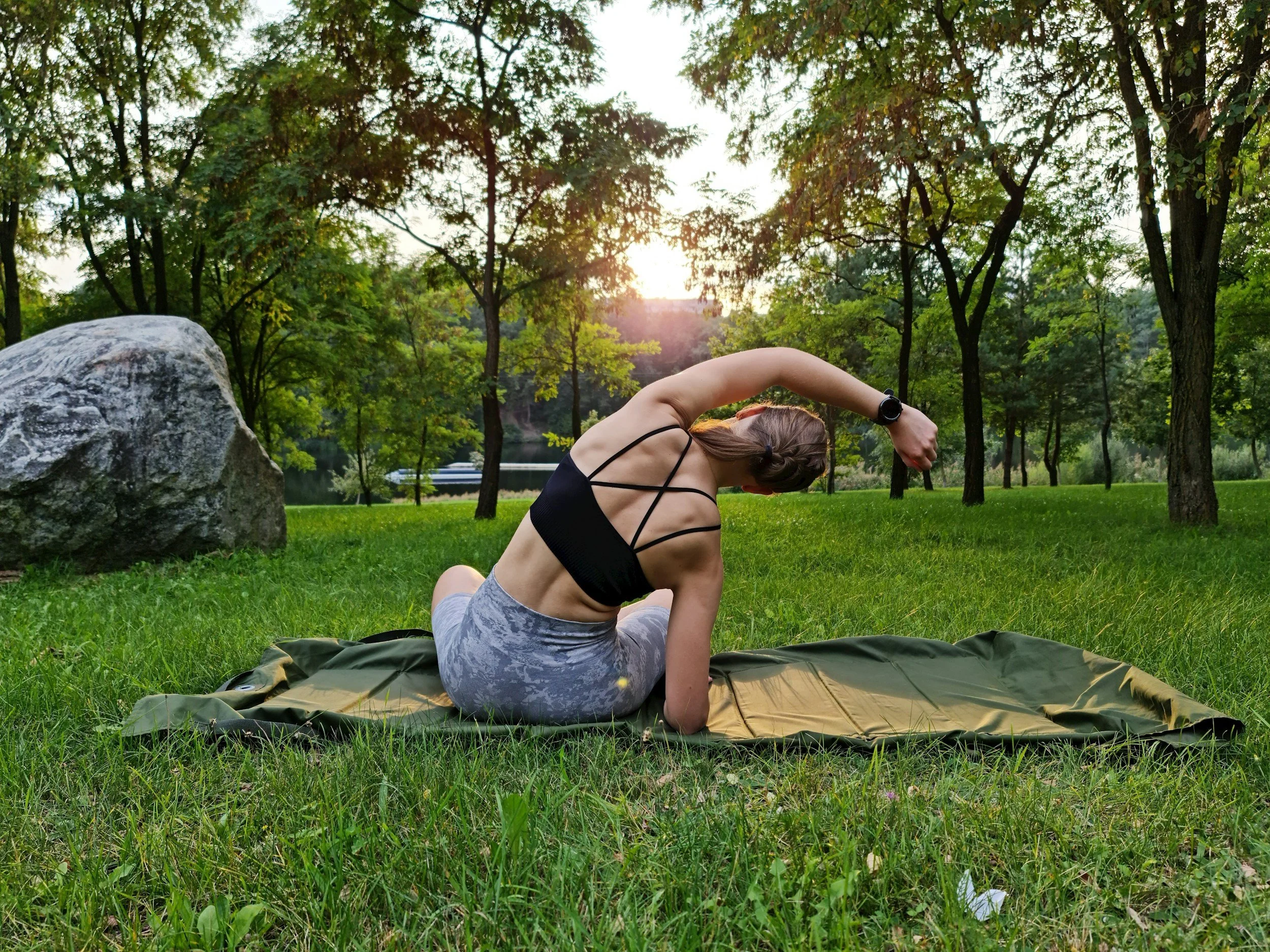
Beginner-Friendly Wellness Practices to Start Today
The goal at the beginning isn't intensity. It's consistency and familiarity with your own body.
Starting a wellness practice can feel overwhelming when you're surrounded by advice about perfect routines, optimization, and constant self-improvement. The truth is, the most effective starting point is usually the simplest one.
You don't need special equipment, a perfect schedule, or advanced knowledge to begin supporting your body and nervous system. You just need a few accessible practices and the willingness to start small.
Here are beginner-friendly practices that can meaningfully support your wellbeing — and how to ease into them without overwhelm.
Why starting small matters more than starting big
Many people abandon wellness routines because they start with something unsustainable — an hour-long workout, an elaborate morning routine, a complicated meal plan.
Small, repeatable actions are far more likely to become lasting habits than dramatic ones. The goal at the beginning isn't intensity. It’s building consistency and becoming more familiar with your own body.
Simple movement practices to begin with
Movement doesn't need to be complicated to be valuable. These beginner-friendly options build a foundation without requiring prior experience:
A 10–15 minute daily walk, ideally outdoors
Gentle bodyweight strength exercises — squats, modified push-ups, or seated movements
Beginner-level yoga or stretching sequences focused on mobility
Short, guided sessions rather than open-ended workouts, especially at the start
Nervous system practices anyone can start
These practices require no equipment and can be done almost anywhere, making them an easy entry point into nervous system support:
Slow, extended exhale breathing — four counts in, six to eight counts out
A few minutes of stillness without screens, especially before bed
Gentle self-touch or grounding techniques, like placing a hand on your chest or stomach
Stepping outside for a few minutes of natural light and fresh air
How to build momentum without overwhelm
The most sustainable approach is to choose one or two practices, not five. It’s okay to start smaller than feels meaningfu — a two-minute breathing practice counts. A ten-minute walk counts.
As these small practices become familiar, they often begin to feel more supportive and sustainable. Then, adding more becomes far more natural than trying to do everything at once.
Choose one movement practice and one nervous system practice to start
Anchor each one to an existing part of your day
Track consistency, not intensity, in the early weeks
Expect adjustment — it's normal for new practices to feel unfamiliar before they feel natural
If you’re looking for a more sustainable and supportive approach to wellness, Wellness with Nixa offers personal training, nervous system regulation sessions, and wellness coaching designed to support long-term wellbeing. Learn more about these services or book a Complimentary Clarity Call.
———
Research & Further Reading
Research continues to show that small, consistent wellness practices can support both physical and mental wellbeing over time. Movement, sleep, stress regulation, and habit formation are often most sustainable when approached gradually rather than through extreme or highly restrictive routines.
If you'd like to explore the research further, these studies and resources provide additional context:
American Psychological Association. Stress Effects on the Body
This overview explains how chronic stress affects the body and why supportive daily practices can play an important role in overall wellbeing.Lally, P., van Jaarsveld, C. H. M., Potts, H. W. W., & Wardle, J. How Are Habits Formed: Modelling Habit Formation in the Real World
This study explores how small, repeated behaviors gradually become more automatic over time, supporting the article’s emphasis on consistency over intensity.Piercy, K. L., et al. The Physical Activity Guidelines for Americans
These guidelines emphasize that even modest amounts of movement can support health and that activity does not need to be extreme to be beneficial.

Fitness Through Compassion, Not Punishment
When movement becomes something you do for yourself rather than to yourself, the intrinsic motivation that sustains long-term habits becomes possible.
For many people, exercise begins as punishment. A way to compensate for eating. To fix a body they've decided is inadequate. To earn something they feel they don't yet deserve.
This relationship with movement is both common and painful — and it rarely produces the long-term health outcomes people are genuinely hoping for.
There's another way to approach fitness. One that doesn't require suffering in order to count.
Where the Punishment Mindset Comes From
The fitness industry has historically — and profitably — marketed movement as a corrective measure. Burn off the holiday meal. Work for the body you want. No pain, no gain.
These messages are pervasive and they shape how people relate to their own bodies from a young age. The result is a deeply conditioned belief that movement is something you have to earn, endure, or use as a form of self-discipline.
Often, the issue isn't simply lack of motivation. It's that the underlying relationship with the body has become adversarial — and that relationship can influence many aspects of wellbeing
How the Punishment Mindset Affects the Body
When movement is approached as punishment, the body often responds accordingly:
Exercise becomes associated with shame, obligation, and discomfort — not pleasure or strength
The body may begin anticipating movement as stress or punishment before workouts even begin, which can affect performance, recovery, and long-term consistency
Injury risk increases when people push past pain because stopping feels like failure
The cycle of overexertion and collapse becomes the pattern — not sustainable change
Rest and recovery feel impossible to justify, creating a chronic deficit
What Compassionate Fitness Actually Looks Like
Compassionate fitness doesn't mean avoiding challenge or never doing hard things. It's approaching the body as something to support, not overcome.
In practice, this looks like:
Choosing movement that genuinely feels good to your body, at least some of the time
Listening to fatigue as information, not weakness
Celebrating what your body can do rather than focusing on what it lacks
Allowing difficulty without cruelty — you can push yourself without punishing yourself
Building strength alongside the capacity to rest without guilt
Treating yourself with the patience you would extend to someone else
Why This Approach Produces Better Long-Term Results
People who develop a genuinely supportive relationship with their body tend to be more consistent over time. Not because they're more disciplined, but because they're not fighting themselves.
When movement becomes something you do for yourself rather than to yourself, the intrinsic motivation that sustains long-term habits becomes possible.
Fitness through compassion isn't an easier path. But for many people, it's a more sustainable one — and one that allows movement to become a source of support rather than self-punishment.
If you’re looking for a more sustainable and supportive approach to wellness, Wellness with Nixa offers personal training, nervous system regulation sessions, and wellness coaching designed to support long-term wellbeing. Learn more about these services or book a Complimentary Clarity Call.
———
Research & Further Reading
Research on long-term exercise adherence suggests that people are more likely to maintain movement routines when motivation is connected to enjoyment, personal values, and self-support rather than shame or external pressure. Studies also show that self-compassion and flexible approaches to health behaviors may support greater consistency, resilience, and psychological wellbeing over time.
If you'd like to explore the research further, these studies and resources provide additional context:
Deci, Edward L., and Richard M. Ryan. Self-Determination Theory: Basic Psychological Needs in Motivation, Development, and Wellness
This foundational framework explores how intrinsic motivation, autonomy, and self-support influence sustainable behavior change and long-term wellbeing.Neff, Kristin D. Self-Compassion: The Proven Power of Being Kind to Yourself
Provides accessible research and practical insight into how self-compassion influences resilience, motivation, and emotional health without promoting complacency.Rhodes, Ryan E., and Shannon Gray. “Integrating the Perceived Stress and Self-Determination Theory Models of Physical Activity Behavior.” Psychology of Sport and Exercise
Examines how stress and motivation interact in relation to exercise consistency and long-term physical activity behavior.West, Ruth, et al. “Associations Between Self-Compassion and Health Behaviours: A Systematic Review.” Health Psychology Review
Reviews evidence connecting self-compassion with healthier and more sustainable behavior patterns across multiple areas of wellbeing.
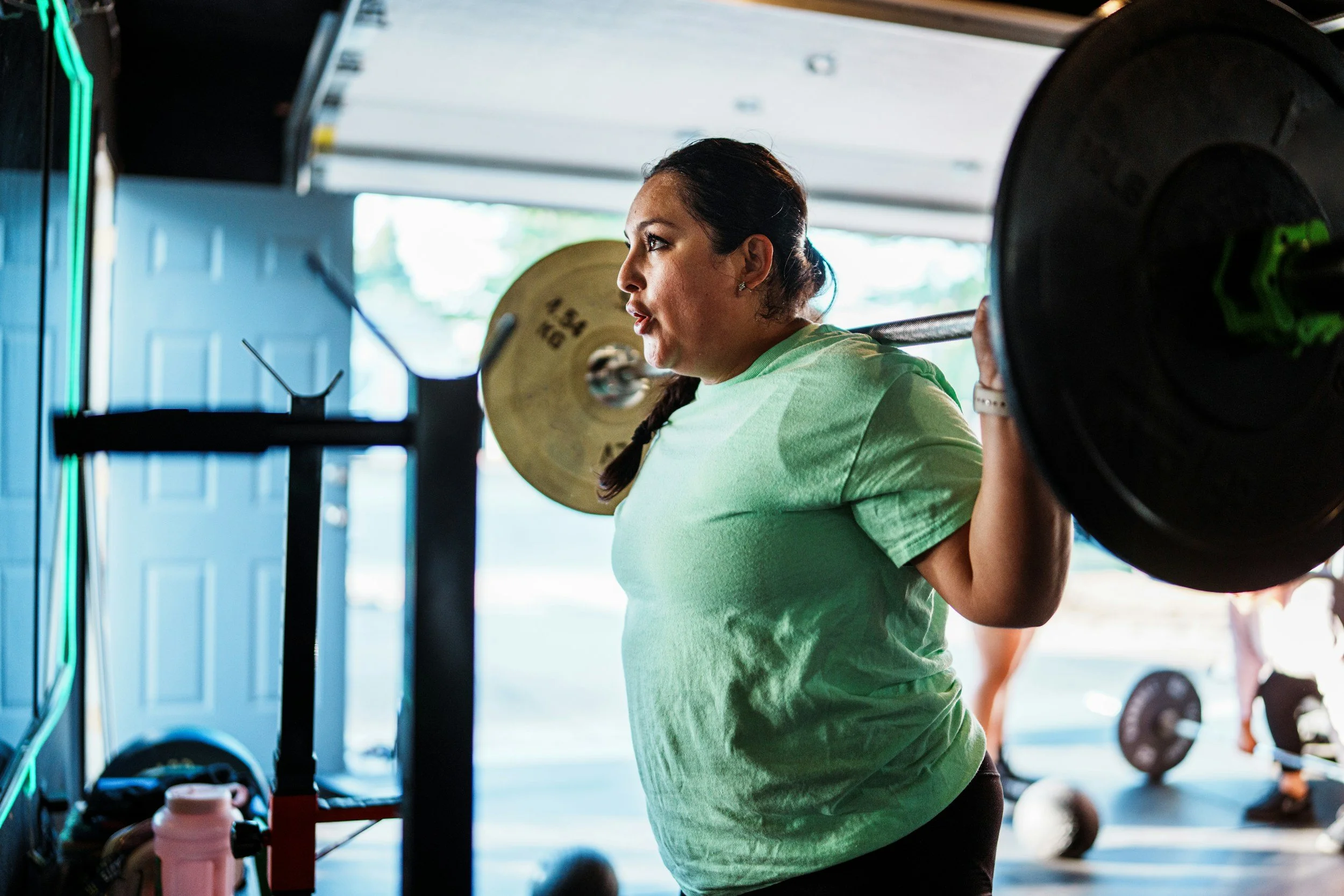
Strength Training Without Burnout
Supporting nervous system health is not separate from a strength program. It's an integral part of one
Strength training is one of the most beneficial things you can do for your long-term health. It supports bone density, metabolism, posture, joint health, and mental wellbeing.
But for many people — especially those who tend toward overachievement — the way strength training is approached can eventually become difficult to sustain.
Here's how to build real strength without burning yourself out in the process.
Why Burnout Happens in Strength Training
Burnout in strength training rarely comes from a single hard session. It often develops gradually through a combination of insufficient recovery, excessive training volume, and ignoring signs of physical or mental fatigue
Common patterns that lead to burnout:
Following a program designed for competitive athletes when you're a busy professional or parent
Ignoring fatigue and pushing through because the schedule says so
No periodization — meaning no planned lighter weeks or recovery phases
Relying on intense exercise as the primary way to cope with chronic stress
Treating soreness or exhaustion as the primary measure of an effective workout
What Intelligent Strength Programming Looks Like
Sustainable strength training is built on progressive overload, adequate recovery, and an honest assessment of your current capacity each day.
Key principles of sustainable strength work:
Progress gradually — small increases in load over time yield more lasting results than dramatic jumps
Train for your current life, not an idealized version of your schedule
Include deload weeks — intentionally lighter periods that allow the body to consolidate gains
Warm up thoroughly and pay attention to how your body feels before increasing intensity
Track recovery alongside performance, not just reps and weights
The Nervous System’s Role in Strength Development
Strength training doesn’t only challenge muscles — it also involves the nervous system. Over time, the body becomes more coordinated and efficient at recruiting muscle fibers, which is part of how strength develops.
When stress levels stay high and recovery is limited, progress can begin to feel slower or harder to maintain — even when you're consistently showing up to train.
Supporting recovery, stress management, and nervous system health can play an important role in long-term strength development.
Signs You May Be Approaching Burnout
It's worth checking in honestly with how your training is making you feel. Signs that your approach may need adjustment:
Persistent fatigue that sleep doesn't resolve
Dreading workouts that used to feel motivating
Decreased performance despite consistent effort
Irritability, mood changes, or low motivation across other areas of life
Recurring minor injuries or constant soreness
Feeling worse, not better, after training
If you’re looking for a more sustainable and supportive approach to wellness, Wellness with Nixa offers personal training, nervous system regulation sessions, and wellness coaching designed to support long-term wellbeing. Learn more about these services or book a Complimentary Clarity Call.
———
Research & Further Reading
Research continues to support the importance of balancing strength training with adequate recovery, stress management, and sustainable programming. Studies suggest that long-term progress in strength and performance depends not only on training intensity, but also on recovery capacity, sleep, nervous system function, and consistency over time.
If you'd like to explore the research further, these studies and resources provide additional context:
Kraemer, W. J., & Ratamess, N. A. Fundamentals of Resistance Training: Progression and Exercise Prescription
Provides evidence-based guidance on progressive overload, recovery, and sustainable strength training practices.
Suchomel, T. J., Nimphius, S., & Stone, M. H. The Importance of Muscular Strength in Athletic Performance
Explores how strength development involves both muscular and neurological adaptation over time.Kellmann, M. Preventing Overtraining in Athletes in High-Intensity Sports and Stress/Recovery Monitoring
Examines the relationship between recovery, stress balance, fatigue, and long-term performance.
Fullagar, H. H. K., et al. Sleep and Athletic Performance: The Effects of Sleep Loss on Exercise Performance, and Physiological and Cognitive Responses to Exercise
Reviews how sleep and recovery influence physical performance, training adaptation, and overall wellbeing.
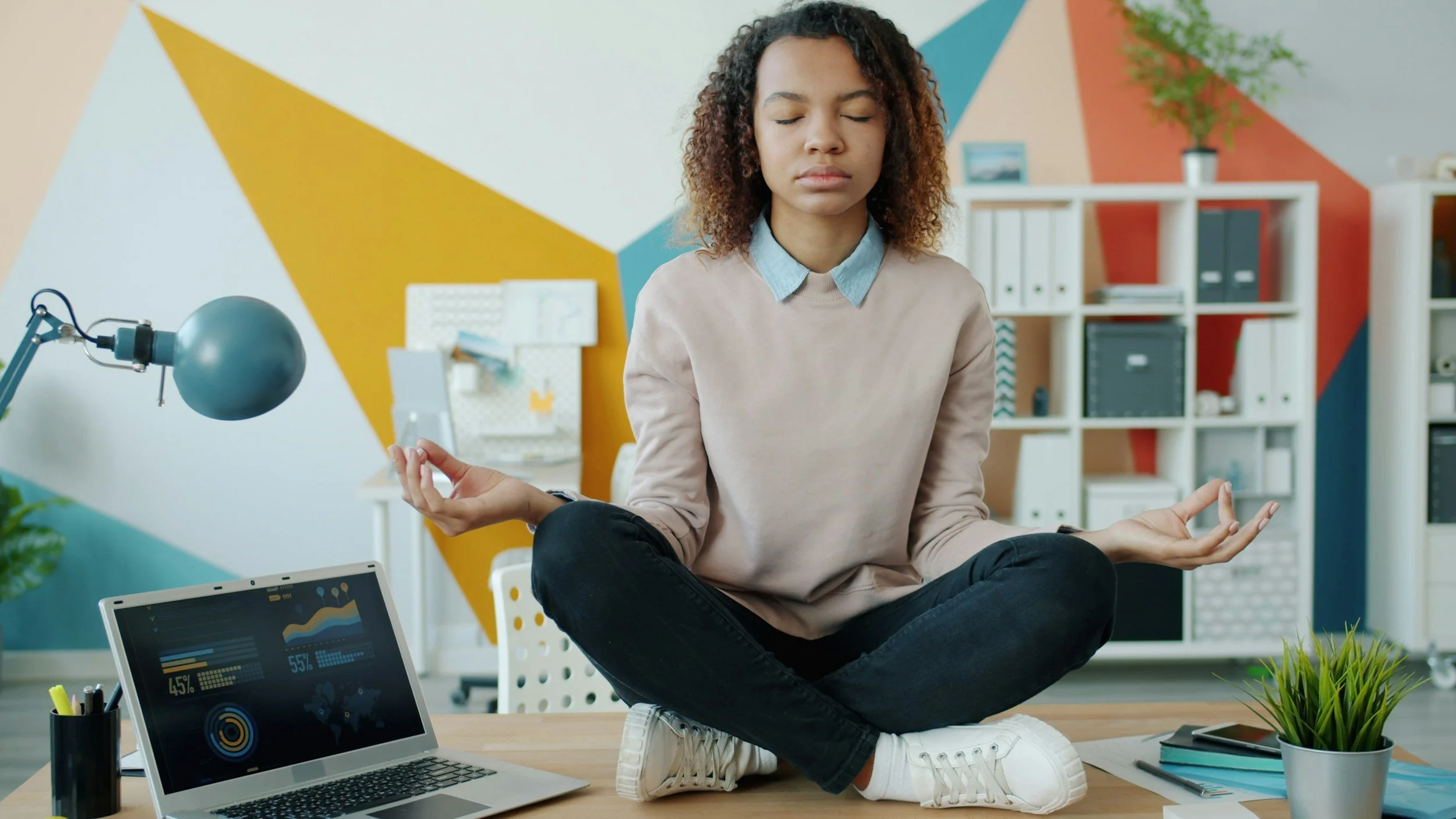
What Nervous System Regulation Actually Means
Regulation doesn't mean eliminating stress or always feeling calm. It means developing greater flexibility — the ability to move through stress responses and return to a settled state more easily.
You've probably seen the phrase 'nervous system regulation' in wellness spaces — and if you're not sure what it actually means, you're not alone.
Nervous system regulation is a real physiological process — one that shapes how you sleep, how you recover, how you respond to stress, and how you feel in your body on a daily basis.
Understanding it — even at a basic level — can change the way you approach your health.
What Is the Nervous System?
Your autonomic nervous system is responsible for regulating your body's involuntary functions — heart rate, breathing, digestion, and your stress response, among others.
It operates in two primary states:
The sympathetic nervous system — often called 'fight or flight' — activates when the body perceives threat or stress
The parasympathetic nervous system — often called 'rest and digest' — supports recovery, digestion, calm, and restoration
What Does 'Dysregulation' Mean?
Many people today spend significant amounts of time in a sympathetic (activated) state due to chronic stress, overstimulation, insufficient recovery, poor sleep, overwork, and demanding lifestyles. Over time, persistent activation without adequate recovery can leave the nervous system feeling overwhelmed and less flexible in how it responds to stress.
When the nervous system is dysregulated, it can look like:
Difficulty relaxing, even when nothing is technically wrong
Feeling wired but exhausted
Tension held in the jaw, shoulders, or hips
Sleep that doesn't feel restorative
Reactivity or emotional overwhelm that seems disproportionate
Digestive issues or unexplained physical discomfort
What Regulation Actually Involves
Regulation doesn't mean eliminating stress or always feeling calm. It means developing greater flexibility — the ability to move through stress responses and return to a settled state more easily.
Practices that support nervous system regulation include:
Breathwork — particularly slow, extended exhales that activate the vagus nerve
Somatic movement — gentle, body-aware movement that can help reduce physical tension and increase awareness of bodily sensations
Yoga — especially restorative and trauma-informed practices
Sound — calming music, vibration, and sound-based practices practices such as sound baths can shift the body's physiological state and support relaxation
Consistency in sleep, nutrition, and movement
Working with a trauma-informed practitioner who understands the body-mind connection
Why This Matters for Your Overall Health
Nervous system regulation is foundational to your fitness goals and your overall health.
When the nervous system is better supported, many people find it easier to recover consistently, sleep more deeply, manage stress, and engage more sustainably with movement and daily life.
Supporting the nervous system can influence many aspects of wellbeing, including recovery, stress resilience, sleep, movement, and overall quality of life.
If you’re looking for a more sustainable and supportive approach to wellness, Wellness with Nixa offers personal training, nervous system regulation sessions, and wellness coaching designed to support long-term wellbeing. Learn more about these services or book a Complimentary Clarity Call.
———
Research & Further Reading
Research on the nervous system continues to highlight the connection between chronic stress, recovery, movement, breath, and overall wellbeing. Studies suggest that supportive practices such as slow breathing, yoga, consistent movement, and stress regulation techniques may positively influence autonomic nervous system function, emotional resilience, and physical health.
If you'd like to explore the research further, these studies and resources provide additional context:
Porges, S. W. — The Polyvagal Theory: Neurophysiological Foundations of Emotions, Attachment, Communication, and Self-Regulation
Foundational work exploring autonomic nervous system states, safety, connection, and physiological regulation.McEwen, B. S. — Protective and Damaging Effects of Stress Mediators
Provides an evidence-based overview of how chronic stress affects the body, brain, and nervous system over time.Streeter, C. C., et al. — Effects of Yoga on the Autonomic Nervous System, Gamma-Aminobutyric-Acid, and Allostasis in Epilepsy, Depression, and Post-Traumatic Stress Disorder
Explores the relationship between yoga practices, autonomic nervous system regulation, stress reduction, and emotional wellbeing.Russo, M. A., et al. — The Physiological Effects of Slow Breathing in the Healthy Human
Reviews how slow breathing practices may influence stress physiology, autonomic regulation, and relaxation responses.